Driving a Class C RV for the first time can feel intimidating—especially if your largest driving experience so far has been a pickup truck or SUV. The good news? A Class C motorhome is one of the easiest RVs to drive, and with a little preparation, most first-time drivers feel comfortable within the first hour behind the wheel.
At NomadsRV, we specialize in helping first-time RV renters feel confident, relaxed, and road-ready. This guide walks you through everything you need to know about how to drive a Class C RV, from pre-trip prep to highway driving, turning, parking, and campground etiquette.
What Is a Class C RV (and Why It’s Beginner-Friendly)
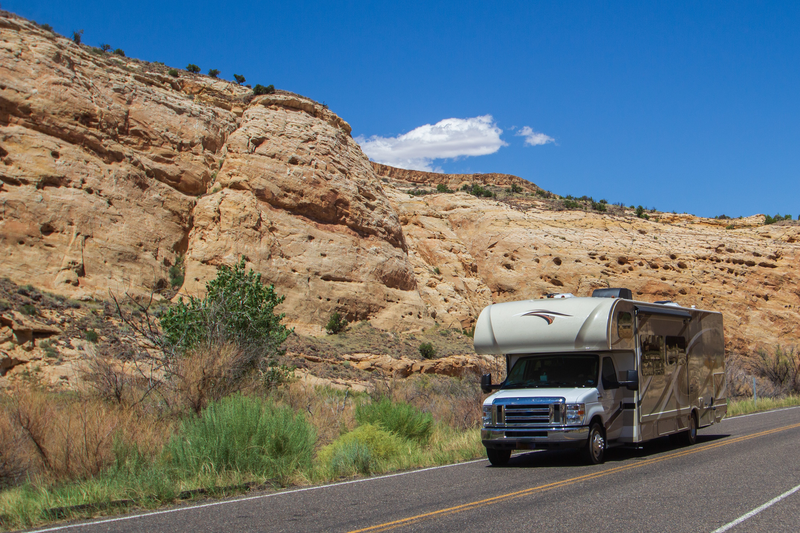
A Class C RV is built on a truck or van chassis—usually Ford or Chevy—and features an over-cab sleeping area above the driver. This design makes it shorter and more maneuverable than large Class A motorhomes, while still offering plenty of space for families and groups.
Why first-timers love Class C RVs:
- Familiar cab layout (similar to driving a large van or box truck)
- Easier visibility than Class A coaches
- Automatic transmission
- More forgiving turning radius
- Ideal for families and weekend travelers
If you can drive a U-Haul or large SUV, you can drive a Class C RV.
Before You Drive: Essential Pre-Trip Setup
Before turning the key, take 10–15 minutes to get oriented. This small step dramatically reduces stress on the road.
Adjust Your Driving Position
- Set your seat height so you can clearly see the road edge and mirrors
- Adjust mirrors to eliminate blind spots (you should see just a sliver of the RV body)
- Familiarize yourself with the dashboard, backup camera, and controls
Know Your RV’s Dimensions
One of the biggest mindset shifts is thinking in height, not just length.
- Typical Class C height: 12 feet
- Know this number before entering gas stations, parking garages, or drive-thrus
- Keep a sticky note on the dash as a reminder
Starting Out: Driving a Class C RV at Low Speeds
When you first start driving, keep speeds low and controlled.
Acceleration & Braking
- Accelerate slowly—Class C RVs are heavy
- Allow extra distance when braking (2–3x more than a car)
- Anticipate stops early
Steering & Turning
- Turns require a wider arc
- Start turns later than you would in a car
- Watch the rear wheels—they don’t follow the same path as the front
Pro tip: If something feels tight, stop and reassess. There’s no rush in RV travel.
Highway Driving Tips for Class C RVs
Highway driving is where most new drivers feel nervous—but it’s actually where a Class C feels most stable.
Lane Positioning
- Stay centered in your lane
- Use mirrors frequently (every 5–8 seconds)
- Avoid hugging the shoulder—it increases fatigue
Speed Control
- Ideal cruising speed: 65-70 mph
- Faster speeds reduce reaction time and fuel efficiency
- Many Class C RVs handle best below 65 mph
Wind & Passing Trucks
- Expect wind push when large trucks pass
- Hold the wheel steady—don’t overcorrect
- Let the RV settle naturally after gusts
Hills, Mountains, and Descents
Driving a Class C RV in hilly or mountainous terrain is all about patience.
Going Uphill
- Expect slower climbs—this is normal
- Don’t floor the accelerator
- Stay in the right lane and let faster traffic pass
Going Downhill
- Downshift to control speed
- Avoid riding the brakes
- Use engine braking whenever possible
Rule of thumb: Descend hills at the same speed you climbed them.
Parking a Class C RV Without the Stress
Parking is often the biggest fear—but it doesn’t have to be.
Use the Backup Camera
- Trust the camera, but still check mirrors
- Have a spotter when possible (especially in campgrounds)
Take Your Time
- Pull through spots are easier than backing in
- Don’t hesitate to reposition multiple times
- Other RVers expect this—it’s normal
Practice Early
If possible, practice parking in an empty lot before your trip. Ten minutes of practice builds massive confidence.
Campground & City Driving Tips
Class C RVs fit into most campgrounds comfortably, but awareness is key.
Campgrounds
- Drive slowly (5–10 mph)
- Watch for low branches
- Yield to pedestrians and kids
City Streets
- Plan routes ahead of time
- Avoid narrow roads when possible
- Use RV-friendly navigation apps
Final Thoughts: You’ve Got This
Learning how to drive a Class C RV isn’t about being fearless—it’s about being prepared. Take it slow, respect the size, trust the process, and enjoy the freedom that comes with RV travel.
At NomadsRV, we walk every renter through a hands-on orientation before departure, answer questions along the way, and provide support so you never feel alone on the road.